
Finding Hope in Tragedy: A Journey Through Loss and Realization
Tragedy has a way of bringing us to our knees, making us question everything we thought we knew about life, love, and purpose. Yet, in the midst of our darkest moments, we can find a glimmer of hope that transforms our perspective and reshapes our journey. My own experience of losing my father at the age of 18 is a testament to this profound truth.
7/25/20247 min read
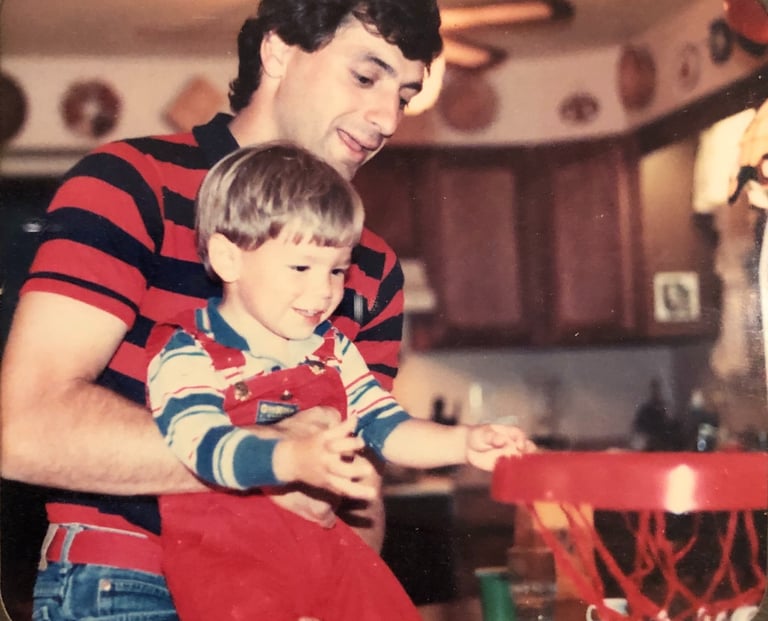
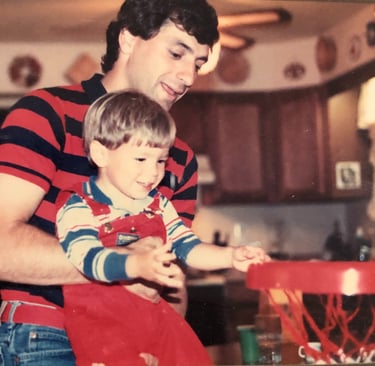
A Father's Legacy
My father was first diagnosed with a brain tumor when I was only five years old. The doctors had grimly predicted he had just six months to live. At such a tender age, I couldn't grasp the gravity of the situation. My father's love and presence were constants in my life, and the thought of losing him was unimaginable. Miraculously, he defied the odds and continued to be a guiding light in my life for another thirteen years.
During those years, my father instilled in me values that have shaped who I am today. He taught me the importance of perseverance, kindness, and integrity. He was more than just a father; he was my mentor, my hero. However, the looming shadow of his illness always lingered in the background, a constant reminder of the fragile nature of life.
The Turning Point
The day he finally succumbed to his illness is etched in my mind with painful clarity. The world, as I knew it, collapsed around me, leaving a gaping void. The immediate aftermath was a haze of disbelief and raw grief. I remember the overwhelming sense of despair, a feeling that the universe had wronged me in the most profound way. As I stood by his bed, I was engulfed by an unbearable sadness, and the question of 'Why me?' I asked over and over again. Why did I have to lose my father so young? Why did I have to endure this pain? This mindset plagued me well into my thirties, coloring my view of the world with bitterness and resentment.
In the days and weeks that followed, I was plunged into a deep well of confusion and sorrow. My father had been my hero, a constant source of strength and guidance. His absence felt like losing not just a parent but a part of myself. Navigating through late teens and early twenties without him was an agonizing journey. Each milestone, each moment of joy, was tinged with the bitter realization that he wasn't there to share it with me.
The grief was compounded by a sense of injustice. Why did this happen to us (My 2 sisters and mom)? Why did a man so full of life and potential have to endure such suffering? These questions haunted me, shaping my young adulthood with a pervasive sense of loss and longing. I grappled with the idea that life could be so profoundly unfair, struggling to find a semblance of normalcy in a world that had been irrevocably altered. The emotional toll was significant, leading to bouts of anxiety and depression.
It wasn't until I began to reflect deeply on my father's life and the time we shared that I experienced a profound shift in perspective. Instead of focusing on the loss, I started to appreciate the incredible gift I had been given. My father had lived years beyond his prognosis, giving us time to create memories and learn invaluable lessons. I realized how lucky I was to have had a father who loved me unconditionally and taught me so much about life.
Finding Hope
Finding hope in tragedy is not about ignoring the pain or pretending it doesn't exist. It's about acknowledging the hurt and choosing to see the light that still shines through. It's about understanding that even in our darkest moments, there is a purpose, a lesson to be learned, and a strength to be gained.
Jim Rohn once said, "It’s not what happens to you that determines how far you will go in life; it is how you handle what happens to you." This quote resonates deeply with me. Tragedy, loss, and hardship are inevitable parts of life, but they do not define us. What defines us is how we respond, how we grow, and how we find hope in the midst of despair.
Embracing a New Perspective
Changing my perspective wasn't easy. It required a conscious effort to shift my focus from what I had lost to what I had gained. I began to see my father's influence in every aspect of my life – in the values I held dear, in the way I treated others, and in my determination to live a life of purpose.
I started to honor my father's memory not by dwelling on his absence but by living out the lessons he taught me. His legacy became a source of strength and inspiration, a beacon of hope that guided me through the darkest times. I realized that while his physical presence was no longer with me, his spirit and the love he had for me would always remain.
Moving Forward with Hope
Finding hope in tragedy is a journey, one that requires patience, resilience, and an open heart. It involves embracing the pain, learning from it, and allowing it to transform us into better, more compassionate individuals. It means recognizing that even in our suffering, there is beauty and grace to be found.
Through this journey, I learned that hope is not a distant, unattainable dream but a state of mind cultivated through gratitude and reflection. By focusing on the positive aspects of my father's life and the indelible mark he left on mine, I found the strength to move forward. This realization has been a source of immense comfort and inspiration, allowing me to navigate the complexities of grief with a renewed sense of purpose.
As I look back on my father's life and the impact he had on me, I am filled with gratitude. The years we shared were a precious gift, and his memory continues to inspire me every day. I have come to understand that while I may never fully understand why I had to lose him, I can choose to find hope and meaning in the time we had together.
Humor in Tragedy
My father had a way of finding the funny side of things, even in the face of his illness. He once joked that if he had to have a tumor, at least it wasn't one of those boring ones – it had personality! His ability to laugh in the face of adversity taught me that sometimes, the best way to cope with pain is to find a reason to smile.
Embracing a New Perspective
The transformative journey that shifted my perspective began unexpectedly. Amidst the chaos and sorrow of losing my father, a profound realization dawned upon me: I was incredibly fortunate to have had him in my life for as long as I did. This moment of clarity struck during a quiet afternoon as I sifted through old photographs, each image a testament to the bond we shared and the lessons he imparted. It was in these moments of reflection that I began to understand the depth of my gratitude.
I started to honor my father's memory not by dwelling on his absence but by living out the lessons he taught me. His legacy became a source of strength and inspiration, a beacon of hope that guided me through the darkest times. I realized that while his physical presence was no longer with me, his spirit and the love he had for me would always remain.
The Power of Gratitude
As I embraced this new perspective, I found that gratitude became a powerful tool in my healing process. Each day, I made a conscious effort to focus on the positive aspects of my life. I started keeping a gratitude journal, jotting down even the smallest things that brought me joy – a kind word from a friend, a beautiful sunset, a delicious meal. This simple practice helped shift my focus from what I had lost to what I still had.
Gratitude also allowed me to see my father's influence in my life more clearly. His lessons on kindness, perseverance, and love became my guiding principles. Whenever I faced a difficult situation, I would ask myself, "What would Dad do?" This question became a source of comfort and guidance, helping me navigate life's challenges with a sense of purpose and strength.
Building a Legacy
One of the most profound ways I found hope was by building on my father's legacy. I realized that the best way to honor his memory was to live a life that reflected his values. This meant being there for others, just as he had been there for me. I started volunteering, mentoring young people, and finding ways to give back to my community.
In doing so, I discovered a new sense of purpose and fulfillment. Helping others brought me joy and reminded me of my father's generosity and kindness. It was a way to keep his spirit alive and to continue the work he had started. Each act of kindness became a tribute to his life and the love he had given me.
The Healing Power of Time
Time is often said to heal all wounds, and while it doesn't erase the pain, it does provide perspective. As the years passed, I found that the sharp edges of my grief began to soften. The memories that once brought tears now brought smiles. I could look back on the time I had with my father with a sense of peace and gratitude.
I also learned that healing is not a linear process. There were days when the grief would resurface, triggered by a song, a place, or a simple moment. But I came to accept these moments as part of the journey. They reminded me of the deep love I had for my father and the impact he had on my life. Rather than fighting the pain, I allowed myself to feel it, knowing that it was a testament to the bond we shared.
Embracing Life Fully
In finding hope, I also learned to embrace life fully. My father's death taught me the importance of living in the present and cherishing each moment. I realized that life is too short to be consumed by anger and resentment. Instead, I chose to focus on the things that brought me joy and fulfillment.
I pursued my passions, spent time with loved ones, and made an effort to create meaningful experiences. Whether it was traveling to new places, learning new skills, or simply enjoying a quiet evening with family, I made a conscious choice to live a life that honored my father's memory.
Conclusion
Tragedy will touch all of our lives at some point, but it does not have to define us. To those navigating their own journeys of loss and growth, I offer this message: seek out the silver linings, no matter how faint they may seem. By shifting our perspective and finding hope in the midst of our pain, we can transform our greatest losses into our greatest sources of strength. My father's journey taught me that even in the face of overwhelming adversity, there is always hope to be found. It is up to us to embrace it, to let it guide us, and to use it to create a life filled with purpose and love.
So, the next time you find yourself asking, "Why me?" try to shift your focus. Look for the lessons, the blessings, and the hope that can emerge from your pain. Remember, it is not the tragedy itself, but how we respond to it, that truly shapes our lives.